
Don't Get Scared, Get Prepared!
September is National Preparedness Month – a national observance each fall that encourages and empowers people to prepare for natural disasters and other emergencies.
In the Pacific Northwest, one hazard that everyone should prepare for is earthquakes. Oregon and Washington face significant risk of experiencing an earthquake along the Cascadia Subduction Zone, a 600-mile-long fault off the coast of the Pacific Northwest. Subduction zone faults can produce the largest earthquakes on Earth, and the Cascadia Subduction Zone has a 37% chance of producing a M7.0 or greater earthquake in the next 50 years. Our region has an even higher likelihood of experiencing a deep intraplate earthquake similar to the one that hit Nisqually in 2001 - an 84% chance over the next 50 years. These earthquakes could cause extensive damage to homes and critical infrastructure and disrupt normal services like utilities and transportation for days, weeks, or even months.
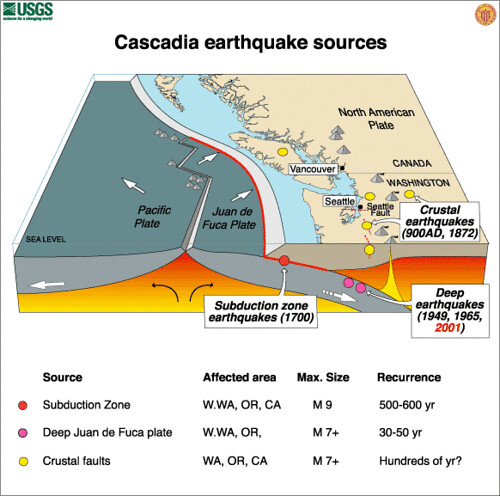
National Preparedness Month gives all of us the opportunity to get prepared for these possibilities. You cannot control the likelihood that earthquakes and other natural disasters will occur. But you can control your risk, or the likelihood that you will be hurt or that your property will be damaged. Taking steps to get prepared will ensure that you are warned before a disaster occurs, stay safe while it unfolds, and have access to basic necessities and communication with loved ones after it ends.
Getting prepared for earthquakes and other natural disasters can seem like a daunting or expensive project. But there are many simple and inexpensive steps you can take. Read on to learn preparedness tips as well as what the PNSN is doing to get prepared.
Sign Up for Emergency Alerts
You can sign up for free emergency alerts that will notify you if a disaster is occurring in your town and keep you updated as it unfolds. Having multiple ways to receive alerts is important.
Double check your phone settings to ensure that emergency alerts are enabled. Both Android and Apple phones have settings that impact your ability to get automated emergency alerts from the Wireless Emergency Alert system.
Sign up to receive additional emergency alerts from your local county government. In Oregon, sign up via the OR-Alert website. In Washington, visit your county government’s website to learn how to sign up for local alerts.
Download free apps powered by the ShakeAlert Earthquake Early Warning System that could provide advanced warning before you feel earthquake shaking. Visit our website to learn more about the ShakeAlert System and how you can receive alerts in your home and workplace.
Receiving an alert is only useful if you know how to respond. As soon as you receive an earthquake early warning alert you should Drop, Cover, Hold On. This action will reduce the likelihood that you will get injured due to falling or from an object falling on you.
Develop an Emergency Plan
Disasters can place people in scary and unpredictable situations. You can get separated from your loved ones or need to evacuate from your home. Creating an emergency plan empowers you to know ahead of time how you would respond in these situations.
In your emergency plan, think through where you would go if you needed to evacuate, as well as what you would do if you had to shelter in place for an extended period of time.
Because internet and cell service may be down, make plans with your family about when and where you would reunify. Identify a friend or family member in a different region that can be a point of contact for check-ins in case local power, internet, or cell service is disrupted.
It is important to consider and include elderly people, disabled people, pets, and children within your plan.
Be sure to discuss your emergency plan with your family, neighbors, and other loved ones.
Learn more tips about developing an emergency plan at Ready.gov.
Build an Emergency Kit
It is important to build an emergency kit with a two-week supply of basic necessities like food, water, and medications. This will ensure you can survive even if access to critical goods and services becomes disrupted for several days and aid takes time to arrive. Additionally, having an emergency kit takes pressure off of emergency responders so they can prioritize life-threatening situations and help the most vulnerable.
Be sure to include special supplies for children, elderly people, and disabled people, and pets in your kit. Find specific recommendations from the Oregon Department of Emergency Management website.
Purchasing supplies for an emergency kit does not have to be expensive. Even purchasing one extra box or can of non-perishable food each week can help. Learn more about building an emergency kit over 12 weeks from the Lane County, Oregon website.
It can also be helpful to build a go-bag with critical necessities for a few days, including important documents, in case you have to evacuate your home suddenly. Learn more about what to include in your go-bag from CalFire.
More information about what to include in your emergency kit can be found at www.ready.gov/kit.
Go On a Home Hazards Hunt
Earthquake shaking can topple heavy furniture, knock books and dishes off shelves, shake pictures or televisions off of wall mounts, and damage your home’s structure. Doing a home hazards hunt can make you aware of these possible safety risks and provide an opportunity to mitigate them.
Take 30 minutes to walk through your home. Imagine what would happen inside it during an earthquake. Make a list of these potential hazards as well as ideas for how to address them. This could include securely fastening heavy furniture and water heaters to walls, installing safety fasteners on cabinets and shelves, and removing pictures and mirrors from the wall above your bed.
A home hazards hunt is also an opportunity to learn how to turn off gas valves. This could prevent fires if gas lines break during an earthquake.
During your home hazards hunt, take a few extra minutes to list and photograph your possessions. If your home is damaged during an earthquake, this documentation can help you file insurance claims.
Earthquakes can also cause structural damage to older or poorly constructed homes. For example, homes can slide off their foundations and their cripple walls could collapse. Seismic retrofits can modify your homes to make them more resistant to this damage.
To learn more tips for conducting a home hazards hunt, download this PDF from the Washington Emergency Management Division website. To learn how retrofits can protect your home from earthquake damage, download this Homeowner’s Guide to Earthquakes from the Washington Geological Survey
The PNSN takes emergency preparedness seriously, and we have taken many similar steps to ensure our employees will be prepared if disaster strikes. The PNSN has a continuity of operations plan to guide our response in the event of a significant earthquake. This plan will ensure that employees can continue operating our seismic network and deliver timely information about the event to emergency managers and the public. We also maintain a supply of emergency food and water supplies at our Seattle headquarters, as well as smaller kits of emergency supplies in all employee vehicles. All PNSN employees are encouraged to enable their cell phones to receive earthquake early warning and other emergency alerts. We hope these examples will inspire you to take similar steps in your home and workplace.
Getting prepared will not only help keep you safe during an earthquake but also during other less perilous situations, such as a snowstorm that keeps you at home for several days. If you take action this month to get prepared, share it with us on social media! Tag your posts with #TakeControl123, #NPM2023, #BeReady, or #NationalPreparednessMonth.